Team Align
Editorial Team
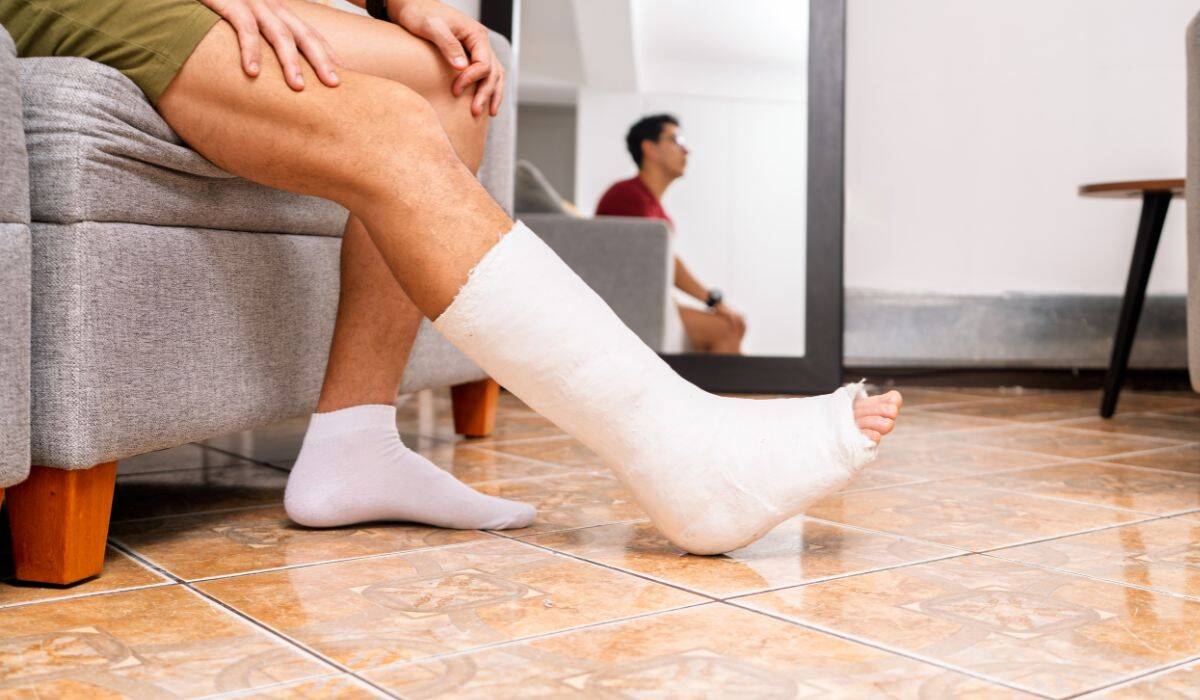
A Different Way to Understand Healing After Strains, Sprains, and Overuse
When most people think about injury, they think in Western terms: inflammation, tissue damage, rehab, strengthening.
Chinese medicine views trauma a little differently.
In Traditional Chinese Medicine (TCM), strains, sprains, tendon irritation, and ligament injuries fall under what’s called “sinew damage.” The sinews include muscles, tendons, ligaments, and connective tissue — essentially the structures that allow us to move.
Rather than labeling injuries strictly by tissue type, TCM focuses on how the injury is behaving in the body — heat, swelling, stagnation, cold, weakness — and treats accordingly.
Healing isn’t one phase. It progresses through three distinct stages, and treatment changes at each stage.
Understanding these stages helps explain why early icing, later heat, acupuncture timing, and movement strategies all matter.
Heat, Swelling, Redness, and Sharp Pain
This is the immediate stage — usually the first few hours to days after injury.
You may notice:
In Chinese medicine, this stage is characterized by heat and blood stasis. Blood and fluids are not moving properly, and inflammation is prominent.
At this stage, the goal is to:
Acupuncture is used carefully to:
Points may be chosen both locally and distally to help regulate circulation without irritating the injured tissue.
External therapies at this stage are generally cooling and aimed at calming the acute inflammatory response.
The biggest mistake in Stage One?
Applying aggressive heat or deep tissue work too soon.
Swelling Reduces, Stiffness and Aching Increase
This stage typically begins several days to a couple of weeks after injury.
Heat and redness begin to fade, but the area may feel:
There may still be some swelling, but it’s no longer hot and inflamed.
In TCM terms, this is when blood stasis remains, but cold and dampness may begin to settle into the tissues if circulation isn’t restored.
The goal becomes:
Acupuncture at this stage:
This is often when patients notice the biggest improvement because circulation is finally restored to tissues that were stuck in the inflammatory phase.
Heat therapy, warming treatments, and appropriate manual work may now be introduced safely.
Cold, Weakness, and Persistent Ache
If an injury is not fully resolved, it may enter a chronic stage.
You might notice:
In Chinese medicine, this stage often involves cold, wind, and deficiency in the sinews.
Treatment may include:
For example:
Across all three stages, acupuncture helps by:
Injury recovery isn’t one-size-fits-all.
Your treatment in the first 48 hours should look very different from your treatment three weeks later.
Healing isn’t just about time — it’s about matching the right therapy to the right phase.
Schedule a new patient exam or return treatment and let our team create a treatment plan tailored to your goals.
Schedule An Appointment