Team Align
Editorial Team

What Your Body Is Telling You — and How to Stay Ahead of Injury
Every spring we see it.
The sun comes out. The trails dry up. Motivation returns.
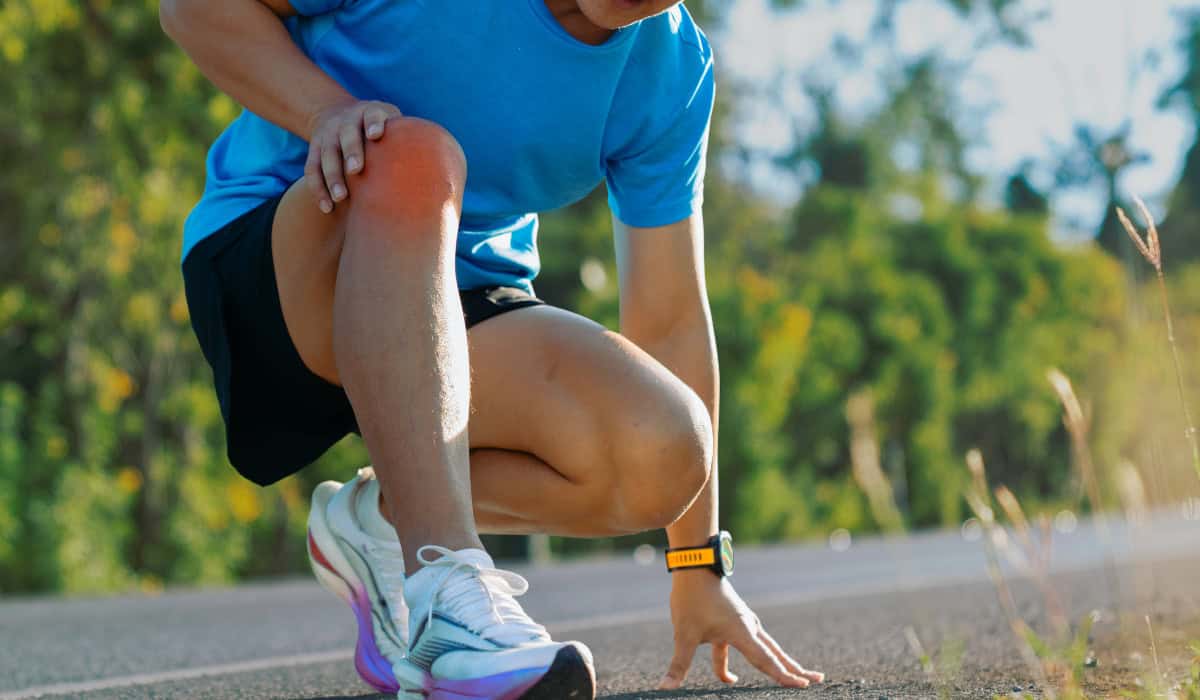
And so does foot and knee pain.
If you tend to take the winter off from running — or reduce your mileage significantly — your body has likely deconditioned more than you realize. That doesn’t mean you’re out of shape. It simply means the small stabilizing muscles, connective tissues, and joint mechanics haven’t been under load for a few months.
When you jump back in quickly, your body will tell you.
Usually in the form of:
The good news? Most spring running pain is preventable — and very treatable when addressed early.
When we run, the foot and knee absorb 2–3 times our body weight with every stride.
Over the winter, we often:
If the hips aren’t doing their job, the knees compensate.
If the ankles are stiff, the plantar fascia absorbs more load.
Running doesn’t “cause” the injury. Rapid load increase does.
If I could recommend just one movement to runners returning in the spring, it would be:
This builds glute strength and knee stability — two key protectors against running injuries.
How to do it:
If this feels shaky or difficult, that’s your sign that your stabilizers need rebuilding before mileage increases.
Do this 2–3 times per week during your return-to-run phase.
Some soreness is normal when returning to running. Sharp pain, increasing pain, or pain that changes your gait is not.
Early intervention matters.
The sooner we address small imbalances, the faster you recover — and the less likely you are to develop a longer-term injury.
At our clinic, we take a collaborative approach.
Helps reduce muscle tension in calves, quads, IT band, and hip flexors. Improves circulation and tissue elasticity so your body adapts more easily to training.
Restores joint mobility in the ankles, knees, hips, and pelvis. Even small restrictions can change stride mechanics and overload tissues.
Reduces inflammation, improves blood flow, and supports faster tissue healing. It’s especially effective for plantar fasciitis, IT band irritation, and chronic knee pain.
Even better? These therapies aren’t just for injury recovery. They work beautifully as preventative care during training cycles.
Many runners wait until something “really hurts.”
The smarter approach is addressing discomfort when it’s still small.
Your body is adaptable.
It just needs progressive loading, mobility, and recovery support.
If you’re returning to running this season, increase mileage gradually, add strength work, and don’t ignore early warning signs.
And if something feels off, we’re here to help you stay on the trail — not stuck on the sidelines.
Schedule a new patient exam or return treatment and let our team create a treatment plan tailored to your goals.
Schedule An Appointment