Team Align
Editorial Team
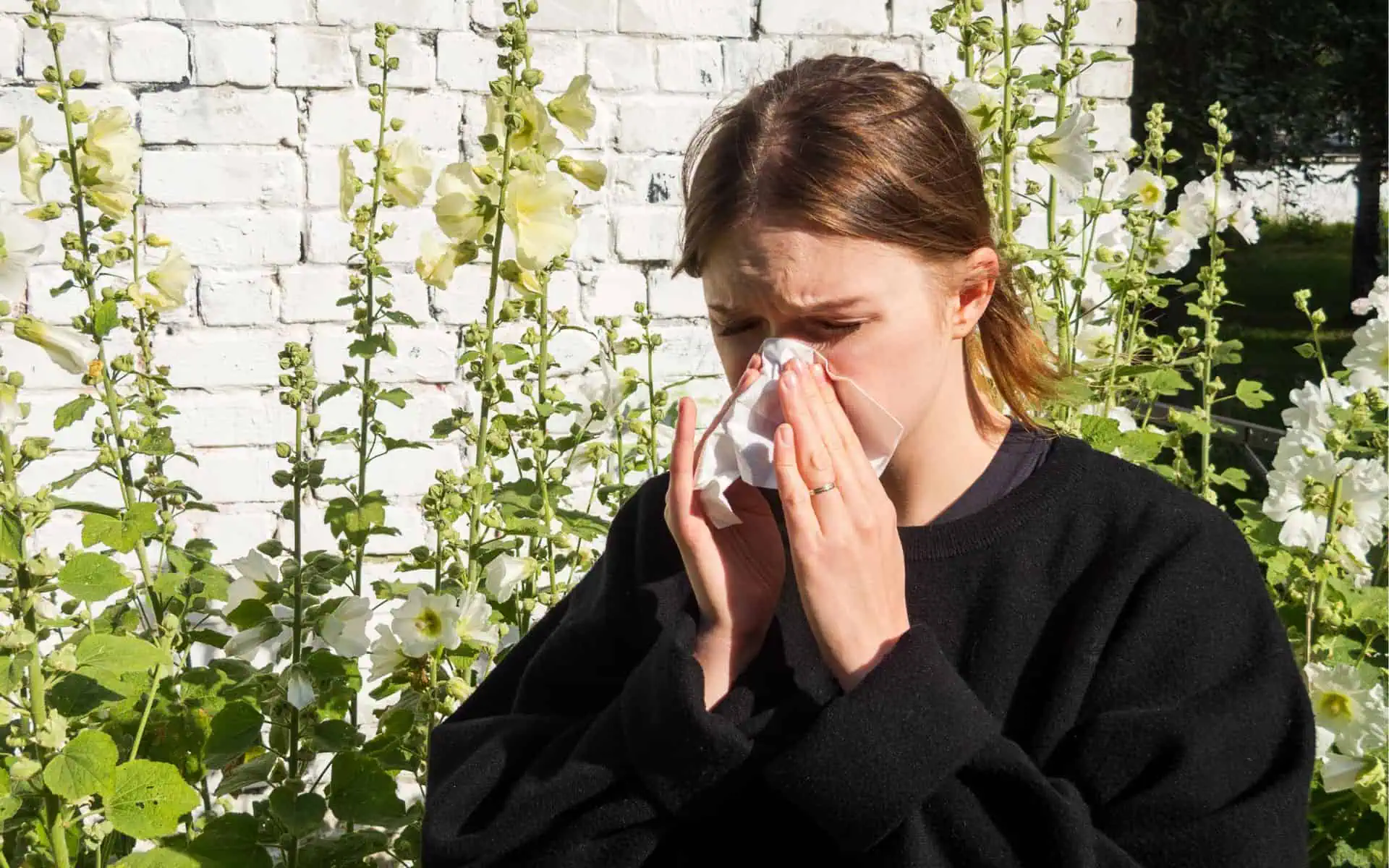
If you struggle with seasonal allergies, you’re not alone.
Every year, as things start blooming here in the Pacific Northwest, we see the same pattern, sneezing, itchy eyes, congestion, sinus pressure, and that overall foggy, run-down feeling.
Most people are used to thinking about allergies in one way:
You have allergies → you take something to suppress the symptoms.
And while that can absolutely help in the short term, acupuncture looks at allergies from a different perspective.
In Western medicine, allergies are generally viewed as an immune system overreaction, often treated with antihistamines, decongestants, or steroids to reduce symptoms.
In Chinese medicine, we still recognize the immune response… but we ask a different question:
Why is your body reacting this way in the first place?
Instead of one diagnosis, acupuncture recognizes many different patterns that can all show up as “allergies.”
For example:
From a Chinese medicine perspective, these are not the same condition, even though they might all be labeled “allergies.”
That’s why two people with “the same allergies” may receive completely different treatments.
The goal with acupuncture isn’t just to quiet symptoms (although it often helps with that fairly quickly).
It’s to:
In many cases, patients notice that over time their allergies become less intense, shorter in duration, or easier to manage.
Treatment is always individualized, but it may include:
A big part of success is timing, starting care before peak allergy season can make a noticeable difference.
There are also a few supportive things you can do at home to help your body during allergy season.
Stinging nettle grows abundantly here in the PNW and has long been used to support allergy symptoms.
Nettle tea may help:
You can drink 1–2 cups daily during allergy season.
Helps physically clear pollen and irritants from the nasal passages.
Especially helpful after being outdoors.
Small habits can make a big difference.
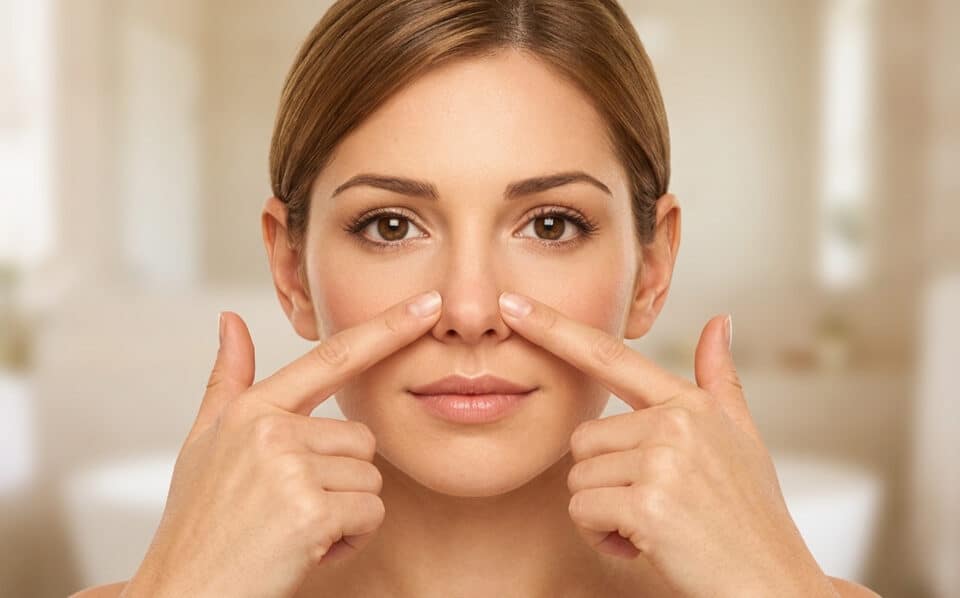
Located just beside each nostril.
How to use it:
This point can help open the nasal passages and reduce sinus pressure.
One of the most helpful shifts is this:
Allergies aren’t just something to “fight.”
They’re something your body is trying to process.
Acupuncture works by helping your body respond more appropriately, not overreact, not underperform, but regulate.
If your allergies feel predictable every year, that’s actually helpful.
It means we have an opportunity to prepare your body ahead of time, not just react once symptoms start.
If you’re curious about a more personalized approach to allergy care, we’re always happy to talk through what that could look like for you.
Because no two people experience allergies the same way, and your care shouldn’t be one-size-fits-all either.
*The information provided on this website is for educational purposes only and is not intended as medical advice. It should not be used to diagnose or treat any health condition. Always consult with a qualified healthcare practitioner before starting any new treatment, therapy, or exercise program.
Schedule a new patient exam or return treatment and let our team create a treatment plan tailored to your goals.
Schedule An Appointment